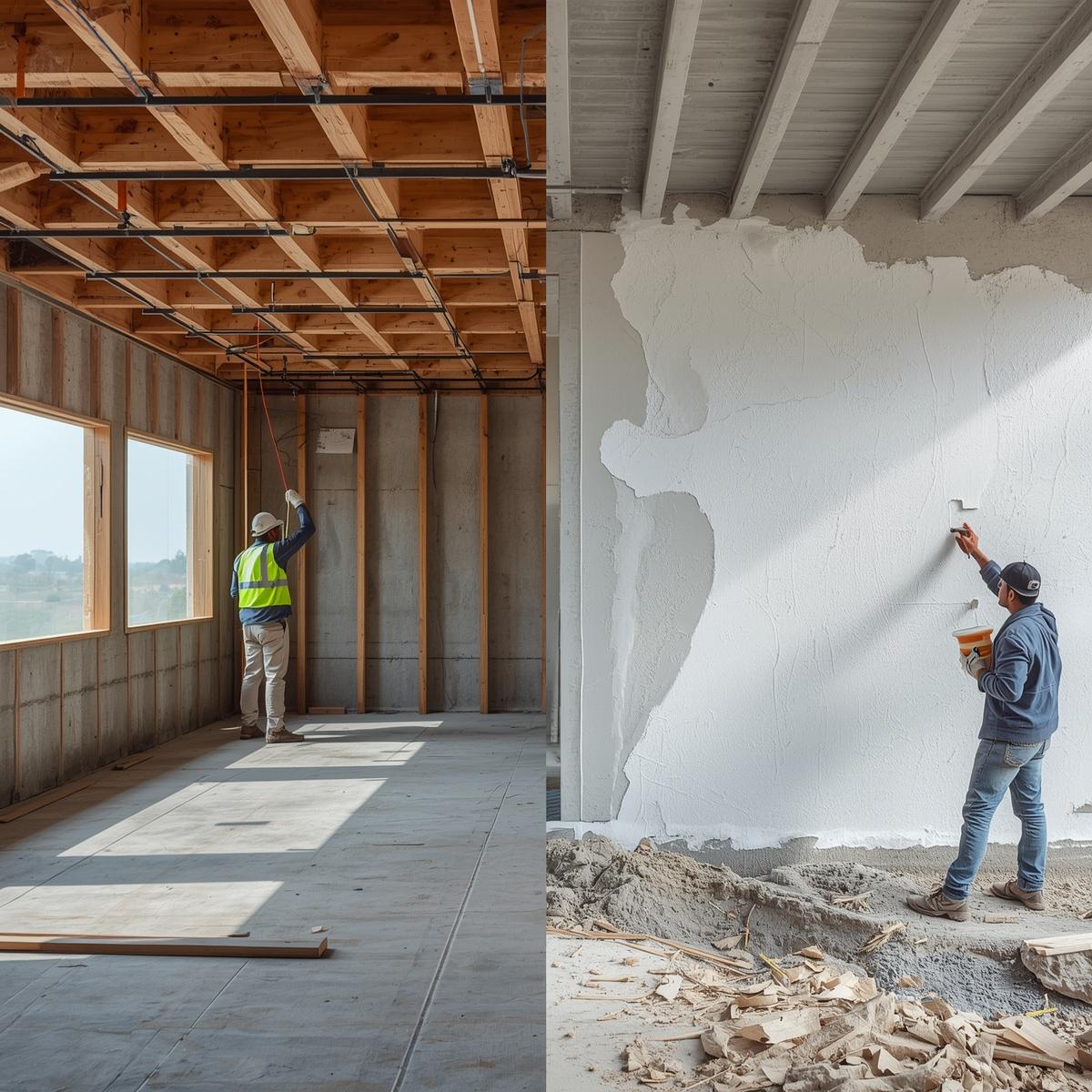
Waterproofing is essential for protecting your home from leakage, dampness, and long-term structural damage. However, many homeowners in India often get confused between internal and external waterproofing and struggle to decide which method is right for their property. In cities like Patna, where heavy monsoon rains and high humidity are common, choosing the correct waterproofing approach becomes even more important.
The Importance of Choosing the Right Waterproofing Method
Many people try to fix leakage issues using temporary solutions like local repairs or surface coatings. While these may offer short-term relief, they often fail to address the root cause of the problem. Understanding the difference between internal and external waterproofing helps homeowners make better decisions and avoid repeated repairs.
When you choose the right method, you not only solve the current issue but also protect your home from future damage.
What is Internal Waterproofing?
Internal waterproofing, also known as negative-side waterproofing, is applied from inside the building. It is mainly used when water seepage has already started and needs to be controlled from the interior.
Used for bathrooms, basements, and internal walls
Helps control existing leakage issues
Quick and cost-effective solution
Prevents visible damage like damp patches and peeling paint
However, it does not stop water from entering the structure—it only manages its effects from inside.
What is External Waterproofing?
External waterproofing, also called positive-side waterproofing, is applied on the outer surface of the building. It prevents water from entering the structure in the first place.
Used for roofs, terraces, outer walls, and foundations
Stops water before it penetrates the surface
Provides long-term and durable protection
Ideal for new construction and major repairs
This method is more effective in preventing damage but may require more planning and access to external surfaces.
Internal vs External Waterproofing: Key Differences
Internal waterproofing controls leakage; external waterproofing prevents it
Internal is easier and quicker to apply; external requires surface access
External waterproofing offers better long-term durability
Internal solutions are generally more affordable
Understanding these differences helps you select the right approach based on your situation.
Which Waterproofing Method is Best for Your Home?
If your home already has leakage problems, internal waterproofing can provide immediate relief. However, for long-term protection and prevention, external waterproofing is always the better option.
In many cases, combining both methods gives the best results—external waterproofing stops water entry, while internal waterproofing manages any existing moisture issues.
Choosing the Right Waterproofing Solution
There are several waterproofing methods used in both internal and external applications:
Cementitious waterproofing
Polyurethane (PU) coating
Acrylic waterproof coating
Crystalline waterproofing
APP / HDPE membrane systems
Each method is selected based on the area, condition, and level of water exposure.
Why Professional Waterproofing is Important
Hiring professional waterproofing experts ensures:
Proper inspection and identification of root cause
Selection of the right waterproofing method
Use of high-quality materials
Long-lasting and reliable protection